
A lighting upgrade should solve the problems people experience in a space. Those problems might include uncomfortable glare, uneven illumination, difficult maintenance, or lights that operate long after an area becomes vacant. Replacing fixtures without reviewing how the building is used can leave those issues unresolved.
A well-planned LED lighting retrofit starts with the tasks, architecture, and operating schedule of the facility. Energy use matters, but so do visual comfort, control compatibility, installation details, and the materials included in the lighting system.
At Goldeneye Lighting, we are a family-owned U.S.-based manufacturer specializing in patented ceramic LED lighting technology. Our Airelight products give designers and owners options for integrating lighting into architectural spaces. This guide explains how to evaluate a commercial upgrade before finalizing a fixture schedule.
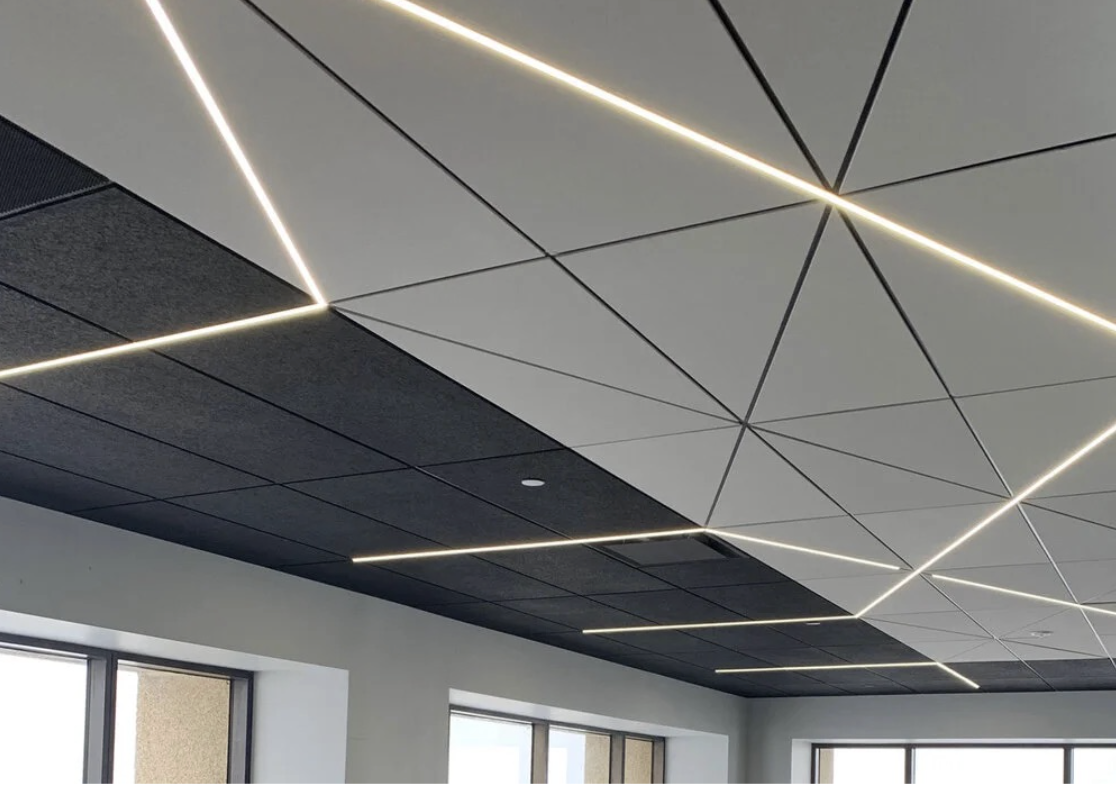
Airelight™ Linear SC 0.5 3500K CCT Directly Attached to T-Bar Grid
Start With a Lighting Survey
Before selecting commercial LED lighting, document the existing conditions. Identify fixture types, mounting locations, controls, operating hours, and areas where occupants report problems.
Walk the space while normal activities are taking place. A lighting condition that looks acceptable in an empty office may feel uncomfortable when employees use reflective screens. A warehouse aisle may require a different approach from an adjacent packing station.
Review maintenance history where available. Frequent service visits, difficult access, or inconsistent replacement lamps can influence the value of an upgrade.
A lighting survey should also identify the questions that require professional evaluation. Existing wiring, mounting conditions, control infrastructure, and applicable project requirements can affect which options are practical.
Define the Lighting Result Before Choosing Products
A useful project brief describes what the finished lighting must accomplish. Consider work surfaces, circulation, display areas, and architectural features separately.
A retail space may need merchandise to be visible and colors to appear appropriate. An office may need comfortable illumination around screens and meeting areas. A laboratory may require lighting coordinated with equipment, workstations, and cleaning practices.
Evaluate Light Quality and Distribution
Lumens describe light output, while watts describe power consumption. Neither number alone tells you whether a fixture will illuminate the intended task well.
Ask for appropriate photometric information and evaluate how light reaches the space. Mounting height, spacing, beam distribution, reflective surfaces, and obstructions influence the result.
Color temperature and color rendering deserve attention too. Review actual samples or a mockup when appearance matters. Selecting from a specification sheet alone can miss how materials and finishes look under the proposed source.
Address Glare in the Actual Viewing Positions
Consider where people sit, stand, and look. A bright source near a screen or directly in a common line of sight may create discomfort even when overall light levels appear adequate.
Ask the design team to evaluate the fixture arrangement and relevant visual conditions. A product’s suitability depends on its application, not simply on whether it is described as an LED.
Include Lighting Controls in the Retrofit Plan
Lighting controls can help align operation with occupancy and daylight. Depending on the space, options may include scheduling, occupancy sensing, dimming, and adjustments to the light level required for a task.
The U.S. Department of Energy’s commercial luminaire guidance recommends considering compatible controls to reduce unnecessary operation.
Compatibility should be checked at the system level. Confirm the luminaire, driver or power supply, control device, and wiring requirements together. Products that use similar terminology are not automatically interchangeable.
Match Control Zones to How People Use the Space
A meeting room and an open office may need different control behavior. A circulation area may remain occupied while adjacent workstations are vacant.
Discuss how sensors will respond, how employees will adjust settings, and what happens after normal hours. Controls should be commissioned and tested under realistic conditions rather than left at default settings.
Document the intended settings so facility staff can maintain the system after turnover.
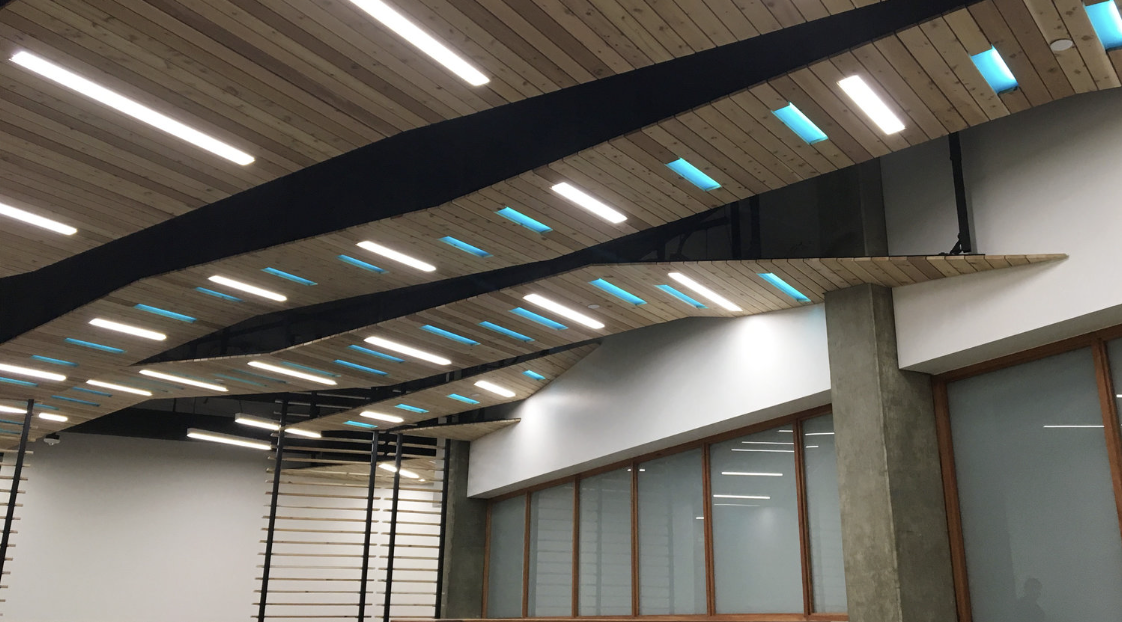
Airelight™ Linear ES 0.5 4000K CCT Surface Mounted with U Channel Behind Blue Glass
Compare Total Project Cost and Operating Value
A retrofit budget should include more than the luminaire purchase price. Installation labor, access equipment, electrical changes, controls, ceiling repairs, testing, and commissioning may affect the total.
Evaluate energy savings using the actual fixture load, operating hours, and utility assumptions for the building. Keep a clear distinction between a planning estimate and verified results.
A hypothetical office example illustrates the method. If a proposed system uses less power but operates for the same number of hours, estimated energy savings follow from that reduction. If occupancy controls also reduce operating time, model that effect separately so the same benefit is not counted twice.
Discuss maintenance access and replacement components as part of the comparison. A difficult-to-service installation may create costs that are not visible in the initial quote.
Understand What LED Lifetime Claims Describe
An LED lifetime rating is not a promise that every system component will operate without failure for that period. Light output can decline, color can change, and supporting electronics have their own reliability considerations.
The Department of Energy’s LED basics guidance explains that useful life and overall product reliability involve more than whether an LED still emits light.
Ask what the manufacturer’s rating measures and what conditions apply. Review the warranty, power supply requirements, ambient conditions, and service approach.
For planning, identify how staff will access drivers or power supplies and whether suitable replacement components will be available. Keep installation and maintenance documentation with the building’s other system records.
Evaluate Sustainable Lighting With Specific Questions
Sustainable lighting includes both operating energy and the physical materials used to deliver illumination. A useful review considers product composition, material disclosures, packaging, serviceability, and end-of-life options.
Avoid treating a broad environmental claim as a substitute for documentation. Ask what the claim covers and whether it applies to the exact product being specified.
Goldeneye Lighting’s Airelight product information describes ceramic LED emitters and options for integrating lighting into ceilings, walls, and cabinetry. Our ceramic lighting approach gives project teams a material choice to evaluate alongside their architectural and performance requirements.
Review current product-specific documentation for the complete assembly, including power supplies, connections, and mounting accessories. Project-level sustainability or certification outcomes depend on the wider design and the applicable program criteria.
Coordinate Architecture and Installation Early
Slim or integrated lighting still requires careful coordination. Review ceiling details, mounting support, access, connection locations, and service paths before installation.
For an embedded application, ask how the light source will be protected during finishing work and how future maintenance will occur. For a suspended installation, review the mounting and electrical details together.
A mockup can help resolve visual and installation questions before the team repeats the detail across a large space. It can also support decisions about brightness, placement, and the relationship between lighting and surrounding finishes.
When evaluating LED lighting in San Diego, involving the manufacturer or local sales representative early can help the design team identify suitable products and required documentation.
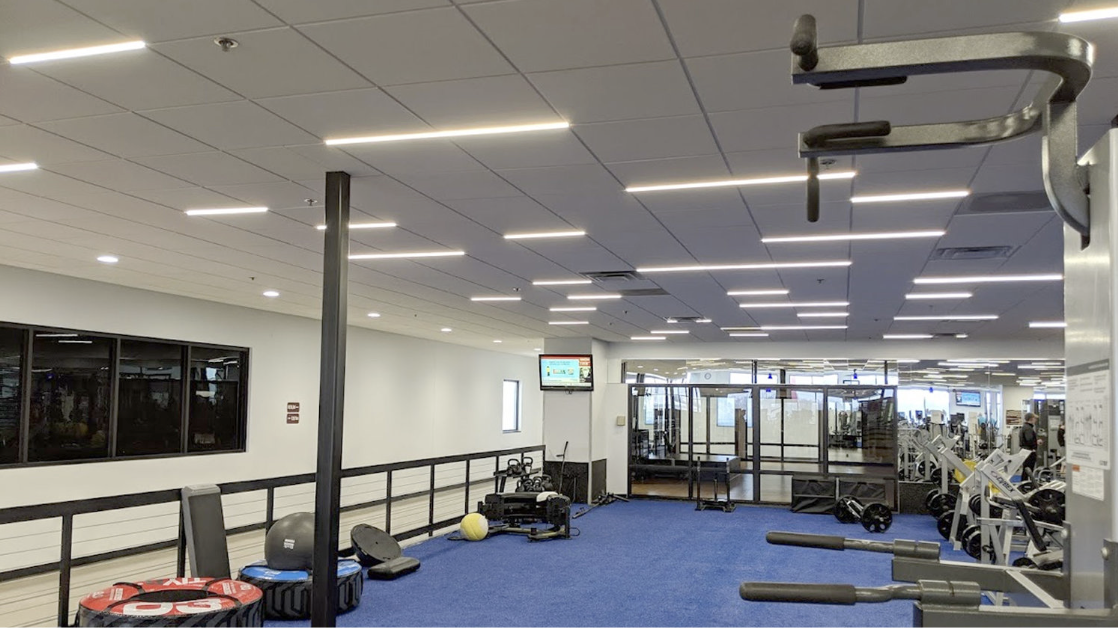
Airelight™ Linear SC 0.5 4000K CCT Directly Attached to T Bar Grid
Prepare a Clear Lighting Quote Request
A complete inquiry helps reduce back-and-forth during product selection. Share the project type, location, drawings, ceiling or mounting details, quantities, desired light characteristics, control requirements, and target schedule.
Include any material disclosure or submittal requirements. If the design is preliminary, explain which questions remain open rather than treating an early concept as a finalized specification.
Contact a Goldeneye Lighting sales agent to discuss the application and request appropriate product information for your project.
Frequently Asked Questions
Should We Replace Every Existing Fixture One for One
Not automatically. Existing spacing may not suit the proposed light distribution or current use of the space. Review the layout with the design team before deciding on a direct replacement.
Will Any Dimmer Work With an LED System
No. Verify compatibility among the control, luminaire, driver or power supply, and installation. Test the intended configuration before final acceptance.
Can a Lighting Upgrade Improve Both Energy Use and Appearance
It can, when product selection, layout, and controls are coordinated. Evaluate the intended results using project-specific information rather than assuming every LED replacement will achieve them.
Request a Quote for Your Next Lighting Project
A commercial lighting upgrade works best when the specification reflects the building’s tasks, architecture, maintenance needs, and operating conditions.
To request a quote or add Goldeneye Lighting to your bid list, call 877-298-0092, or email info@goldeneyelighting.com. Share your drawings and project requirements so we can discuss suitable ceramic LED lighting options.